
Receding Hairline
Hairline moving backward or an increasingly visible M-shaped pattern.
Hair fall, thinning, a receding hairline or crown loss can need very different approaches. Start with a personalized hair & donor assessment before choosing PRP, Exosomes, FUE, DHI or HST.

Complete all 4 steps. Your answers will be prepared in WhatsApp for the MedicBloom team.
Swipe or use the arrows to view the complete gallery you supplied, including hairline, crown, female restoration, beard, eyebrow and donor-area examples.
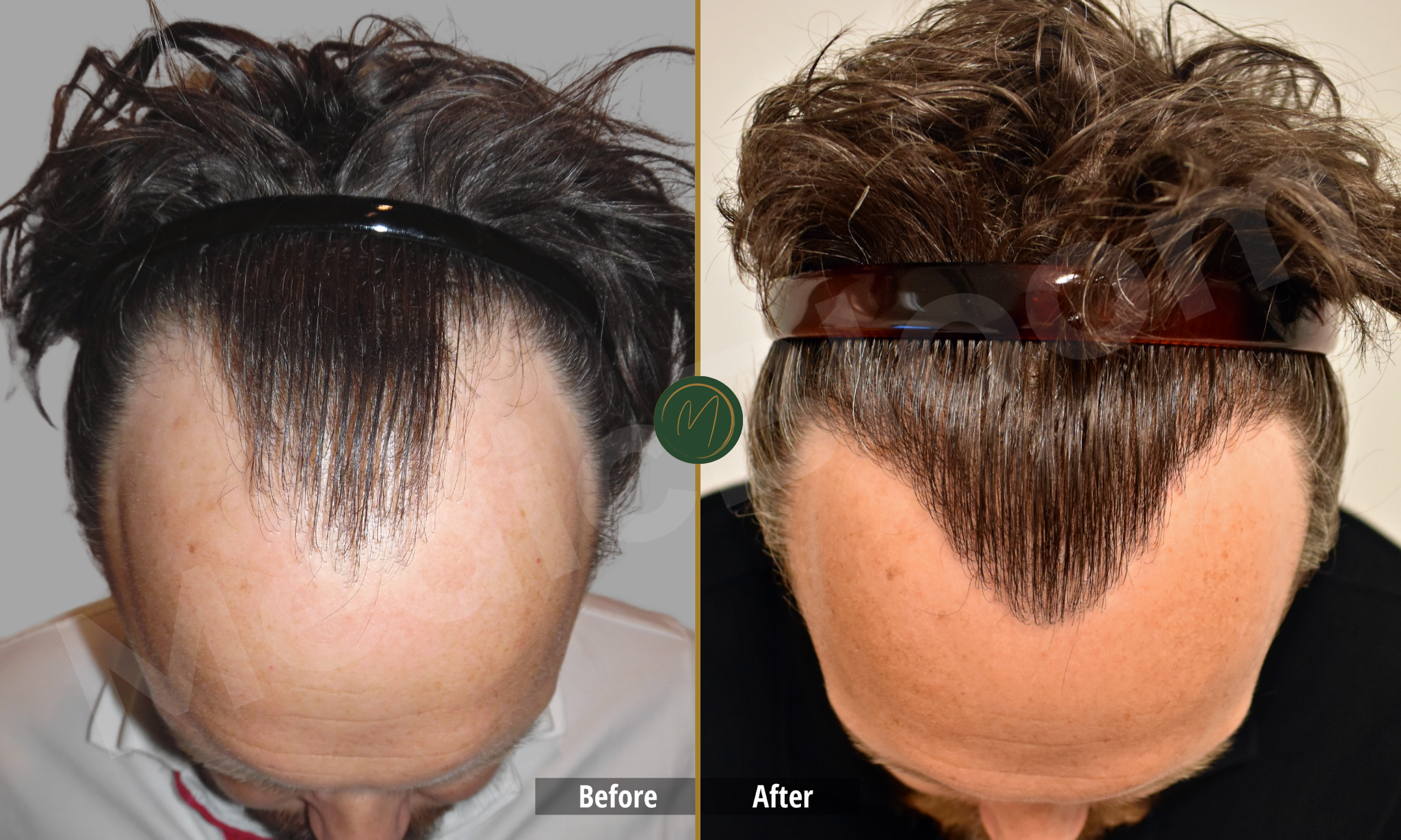
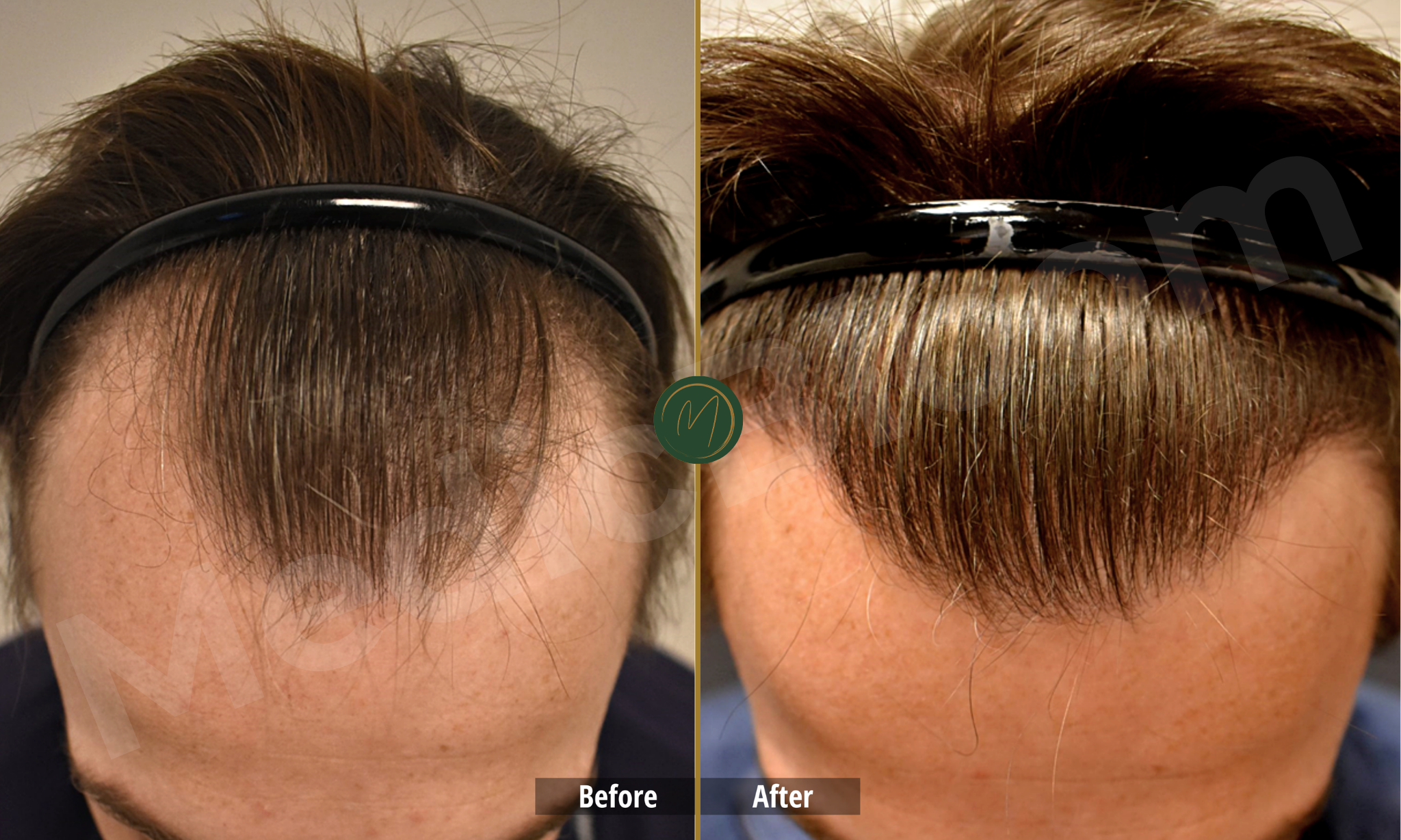
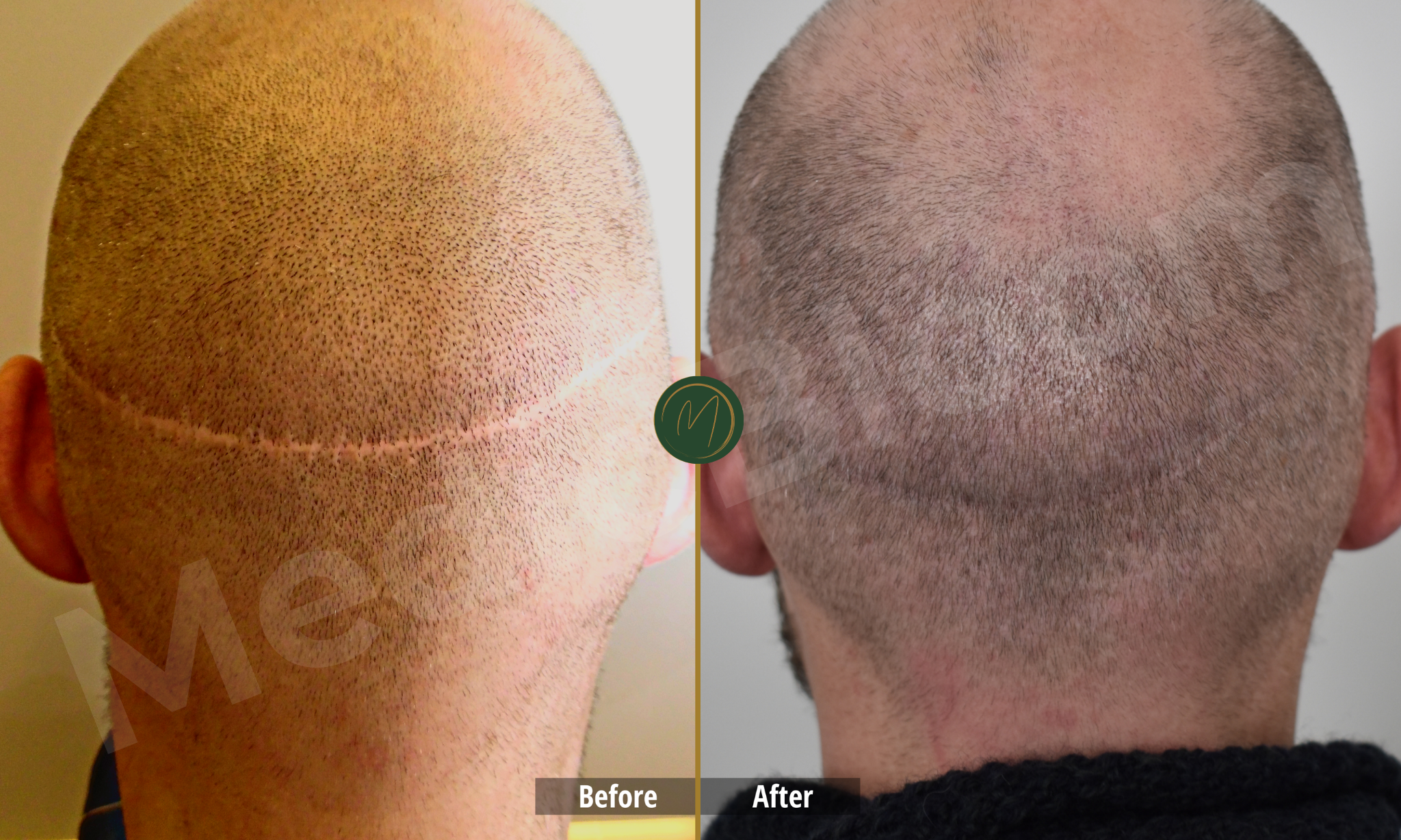
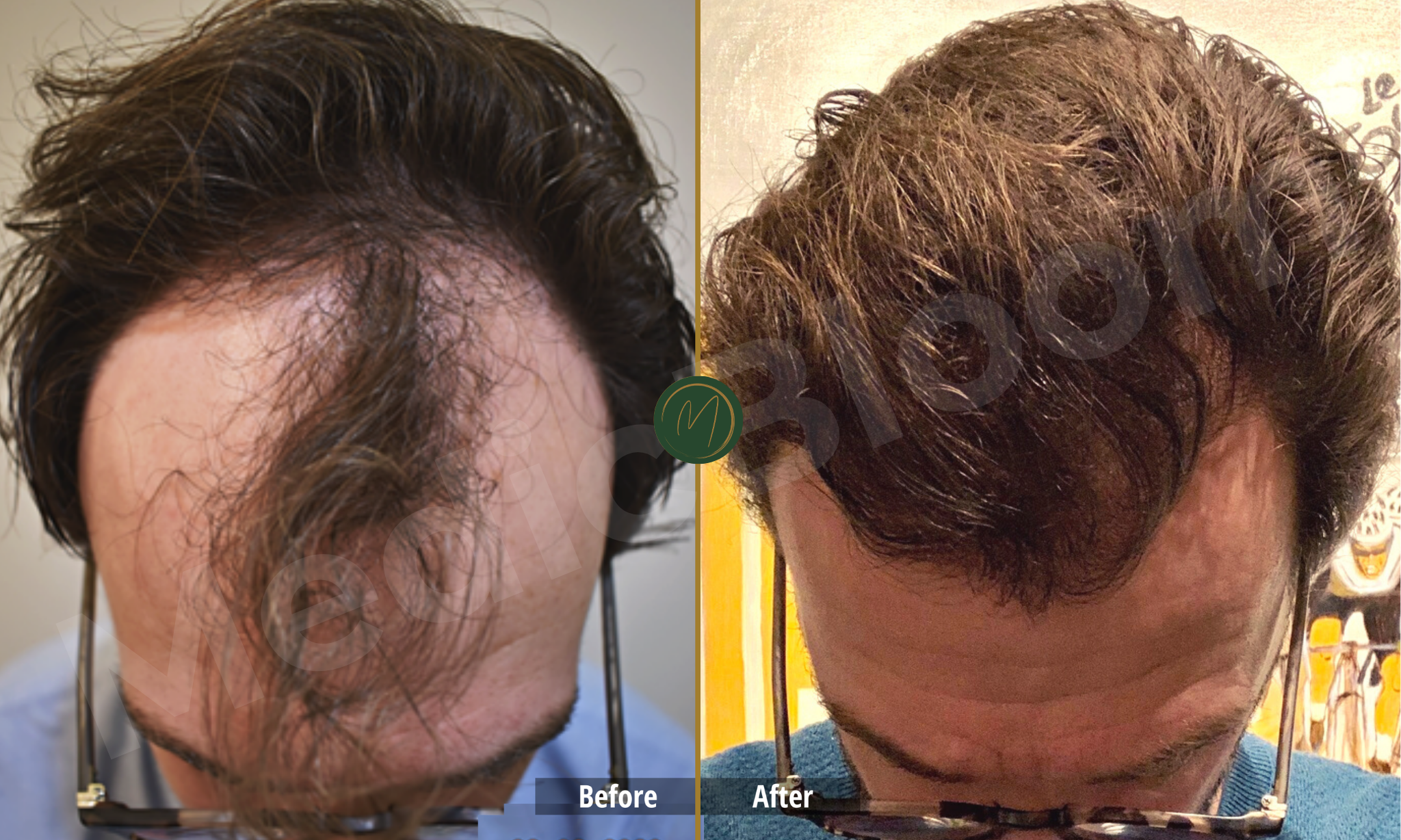
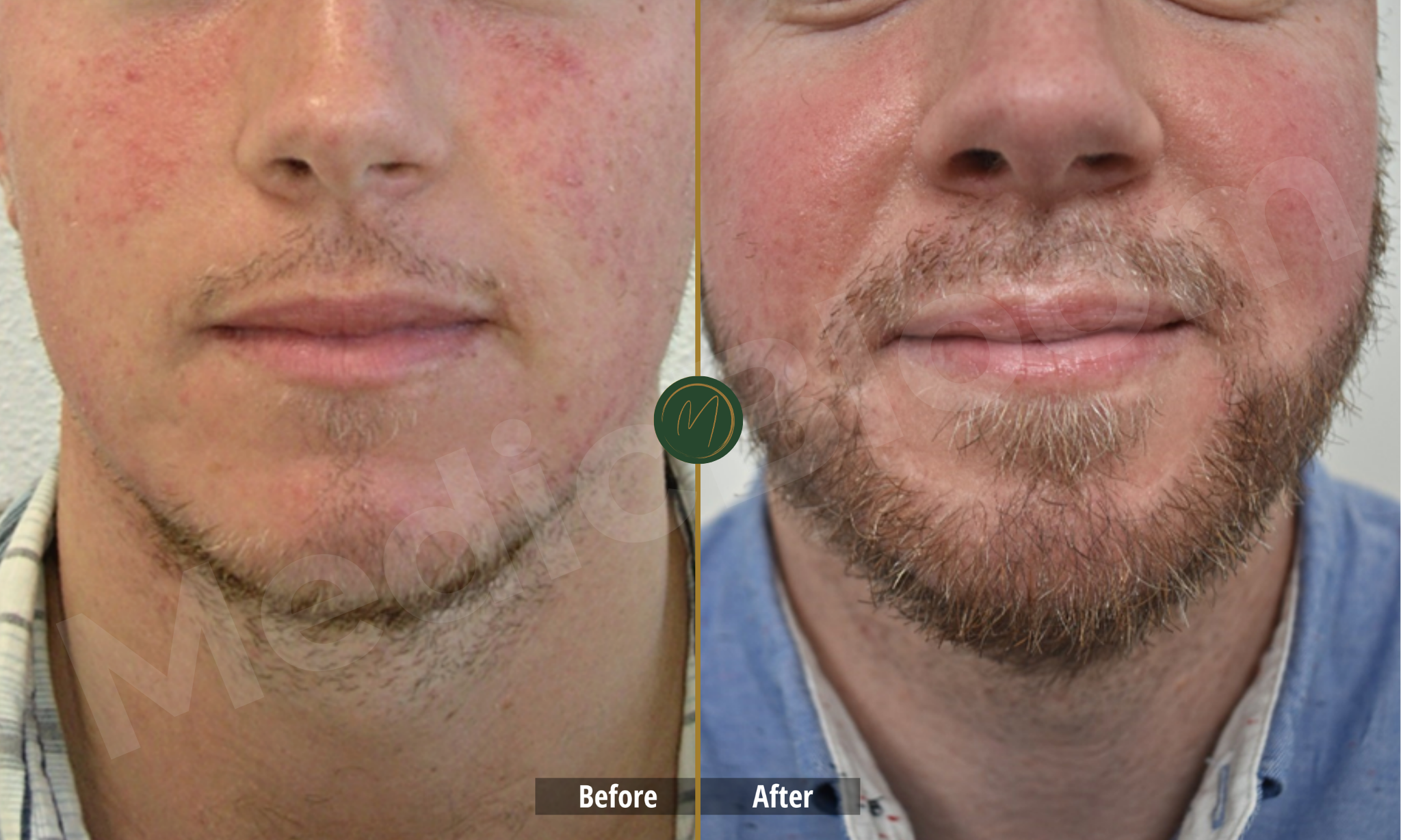
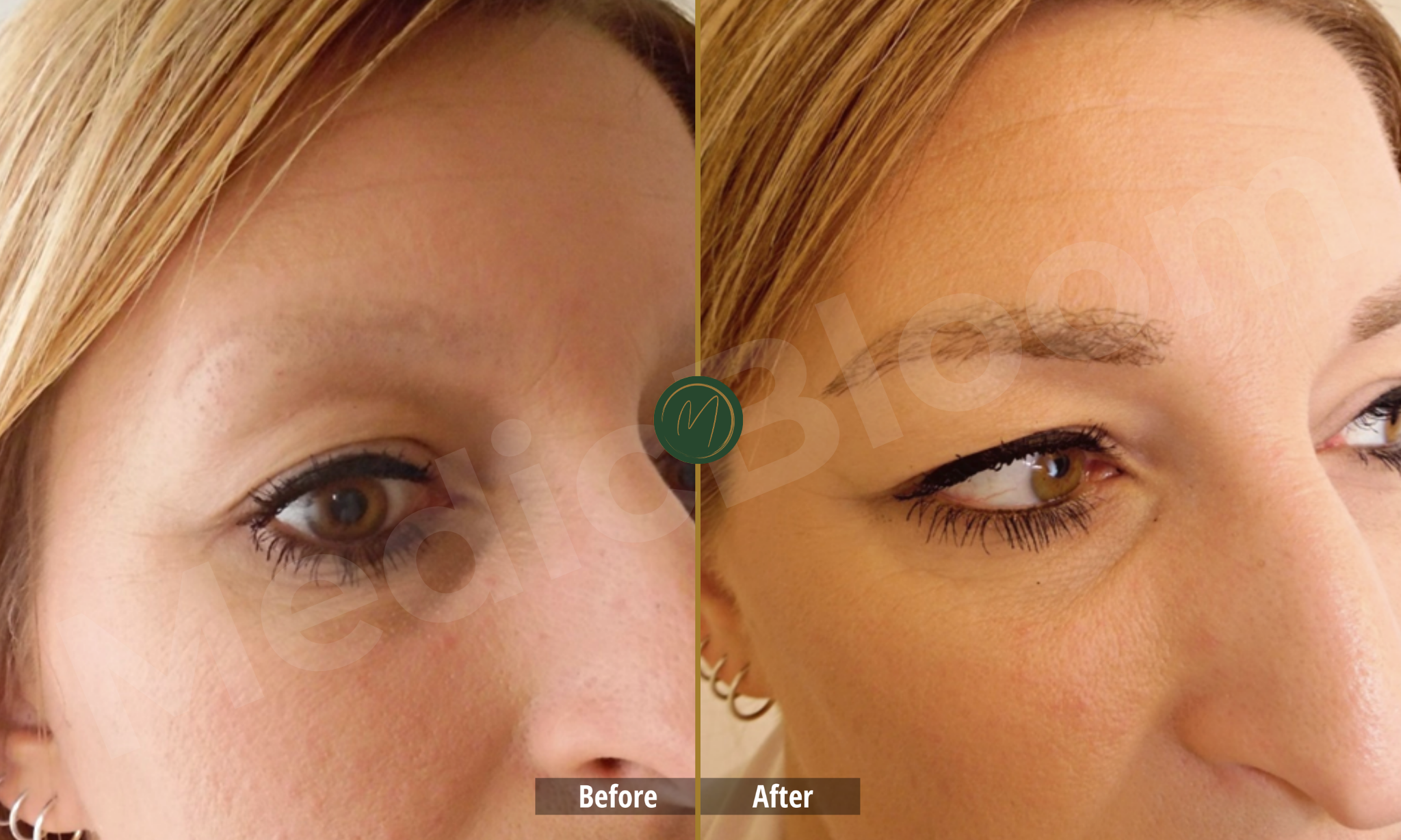
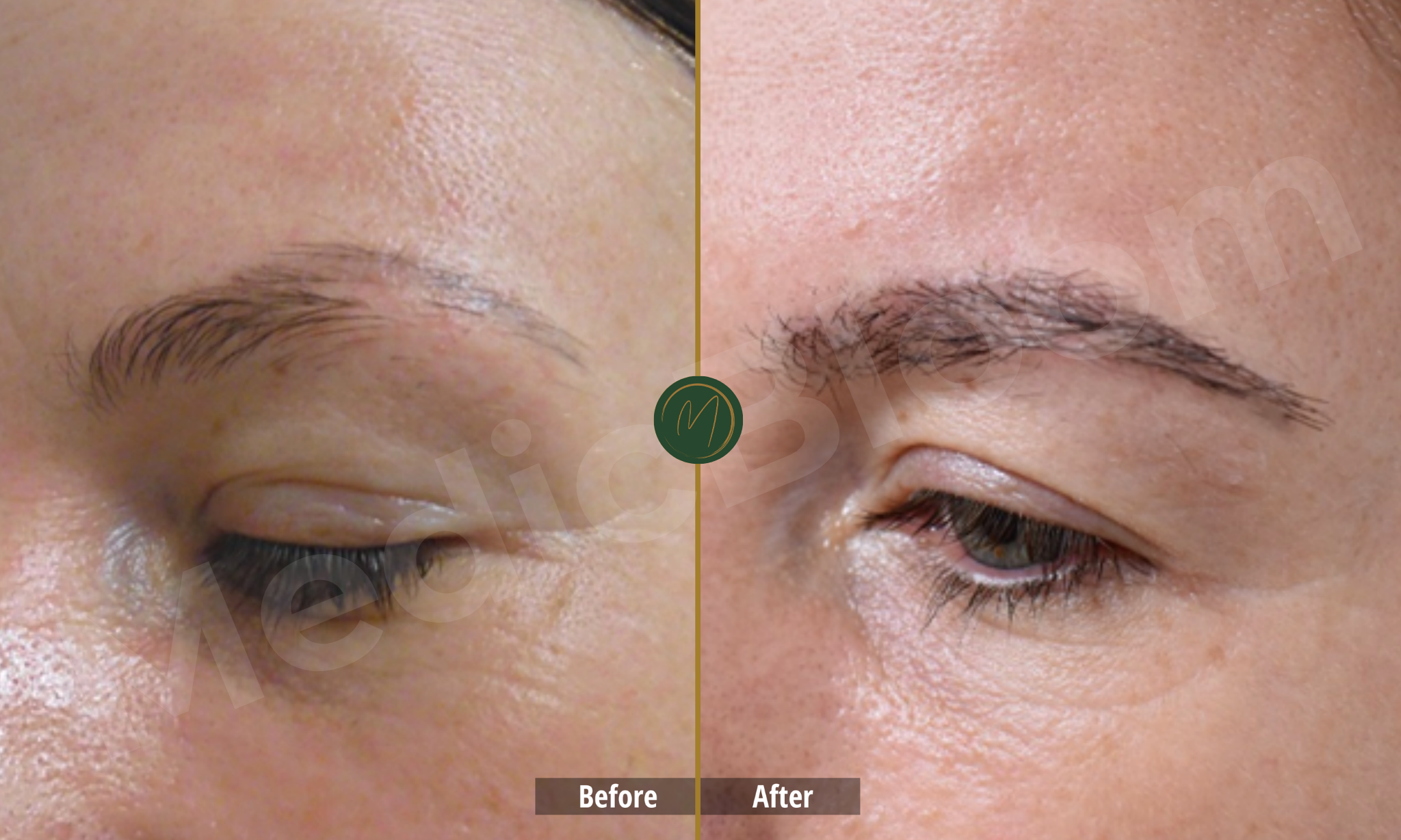
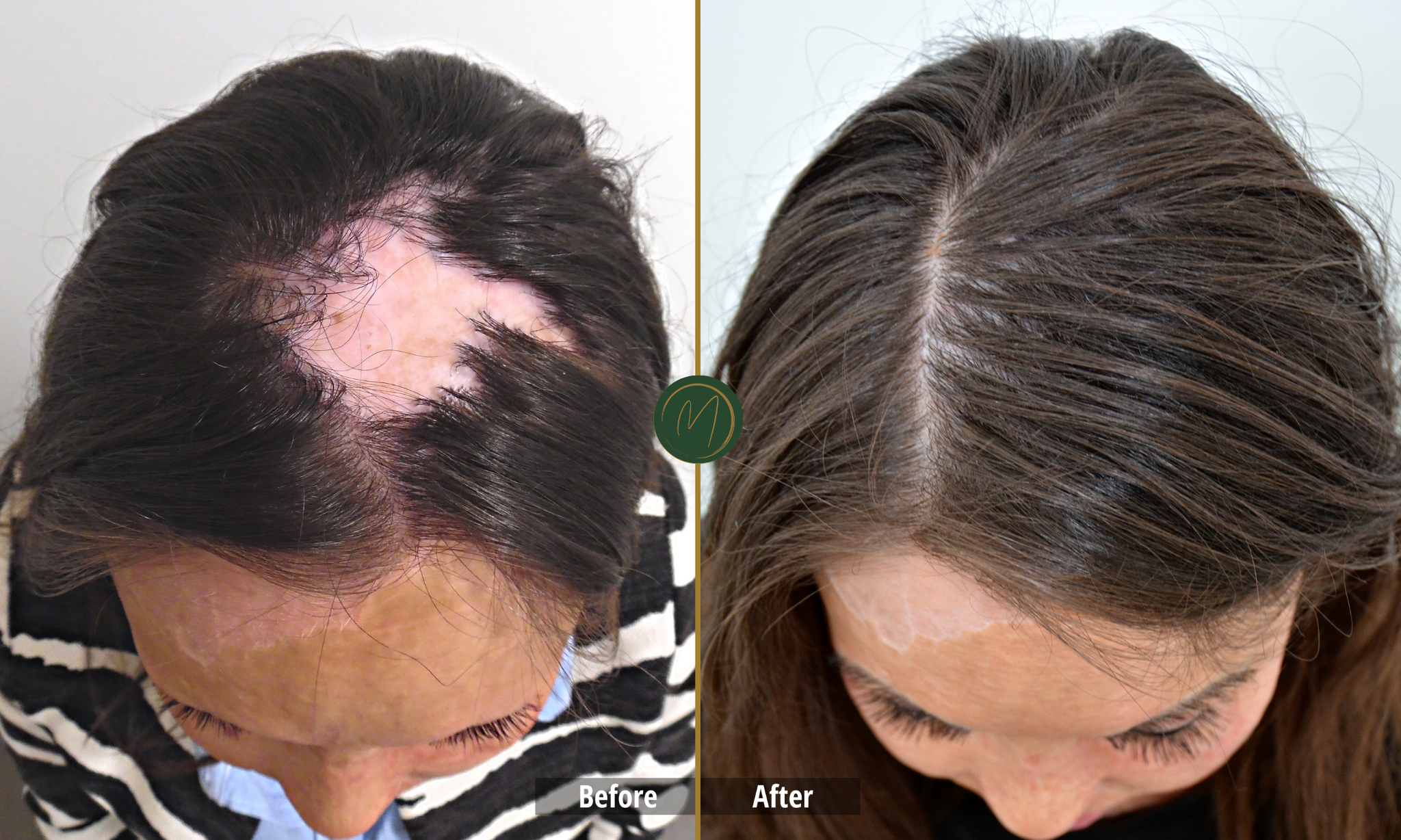
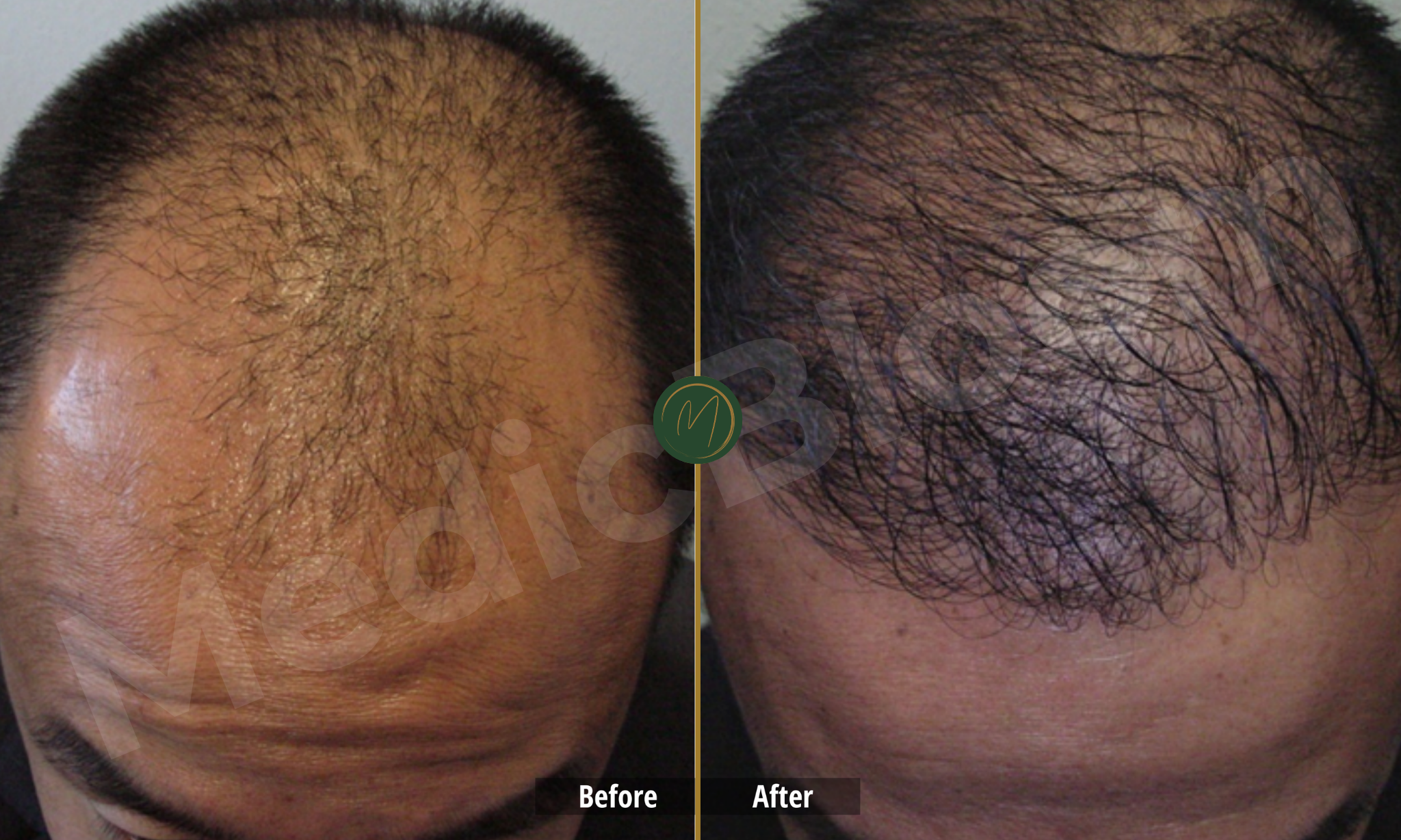
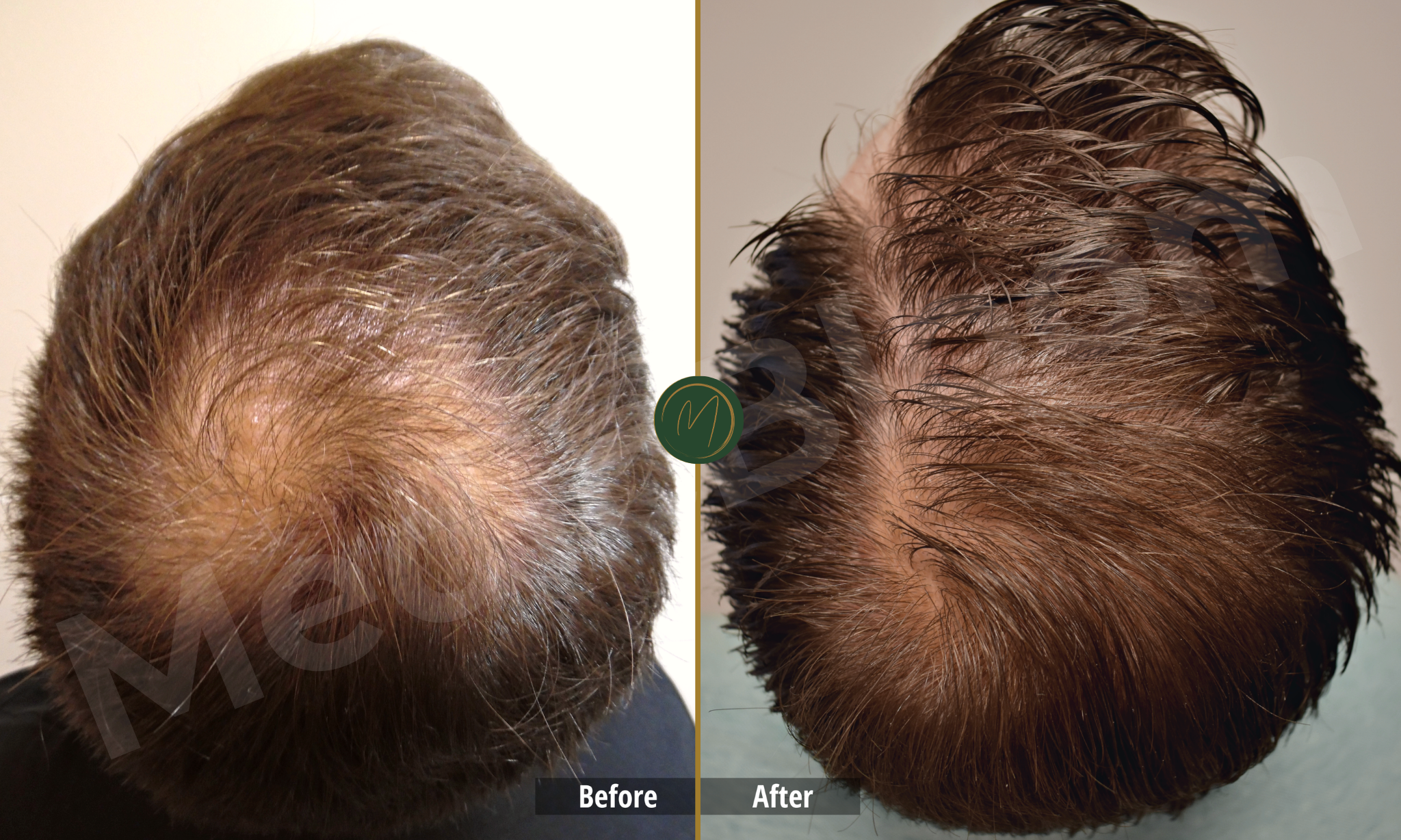
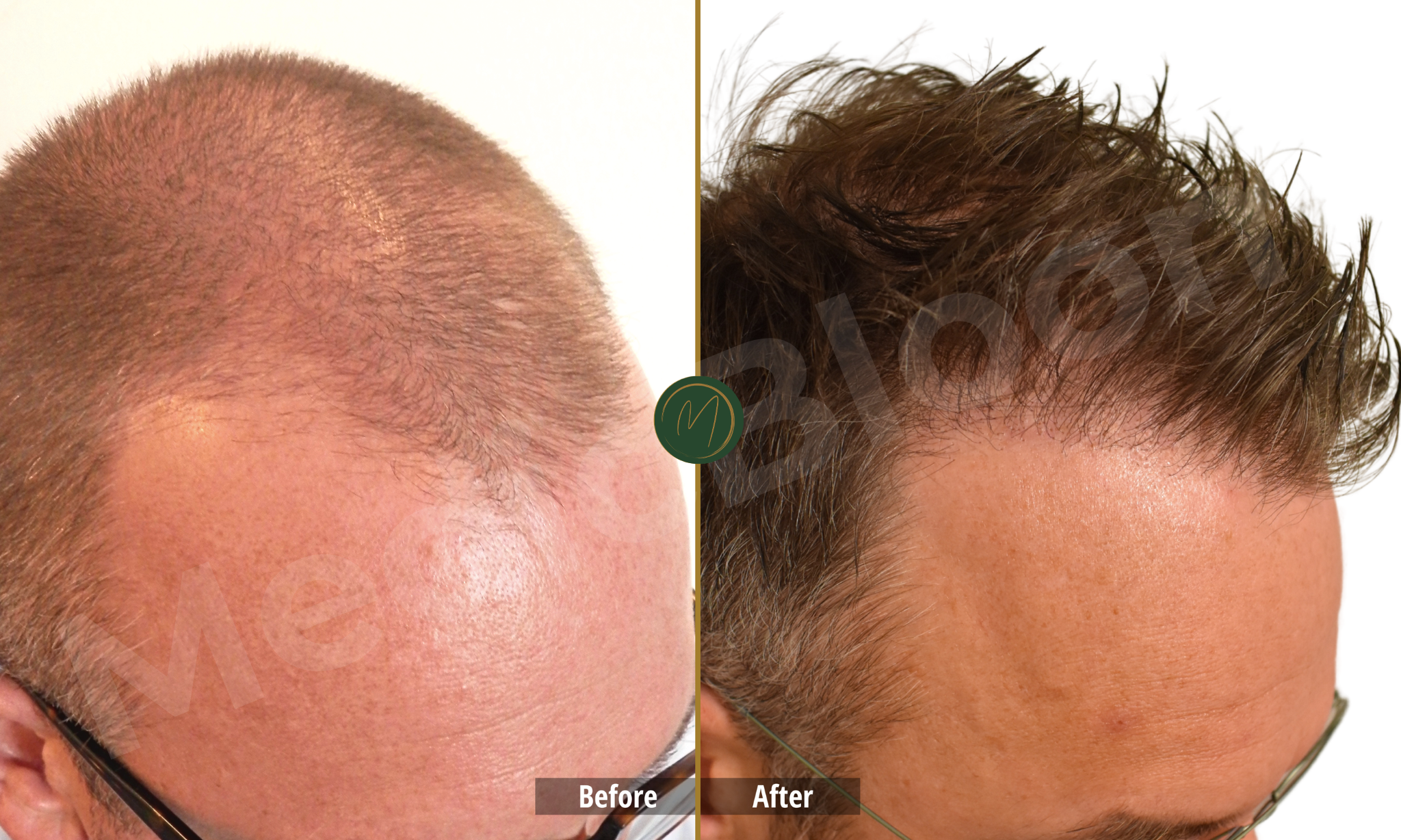
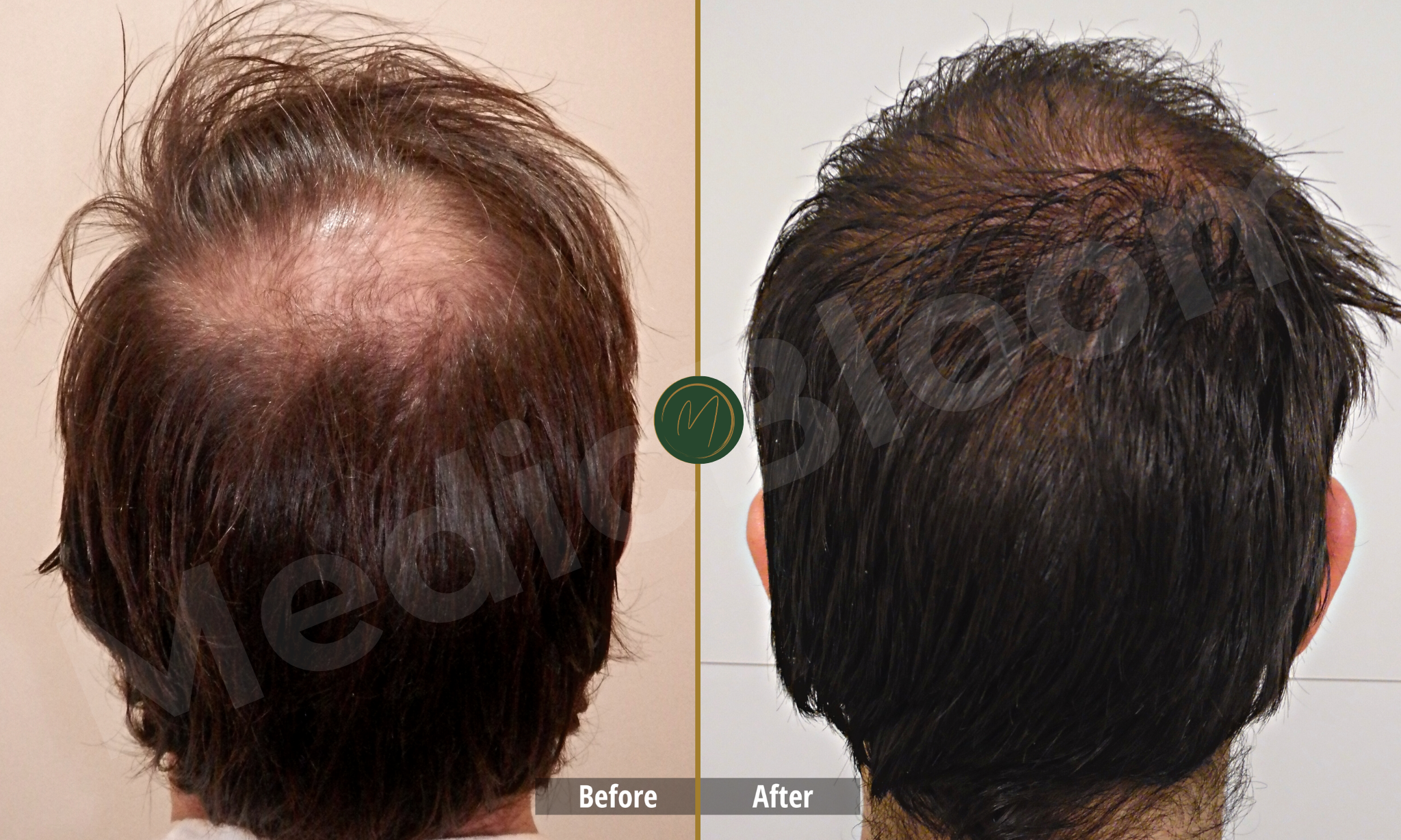
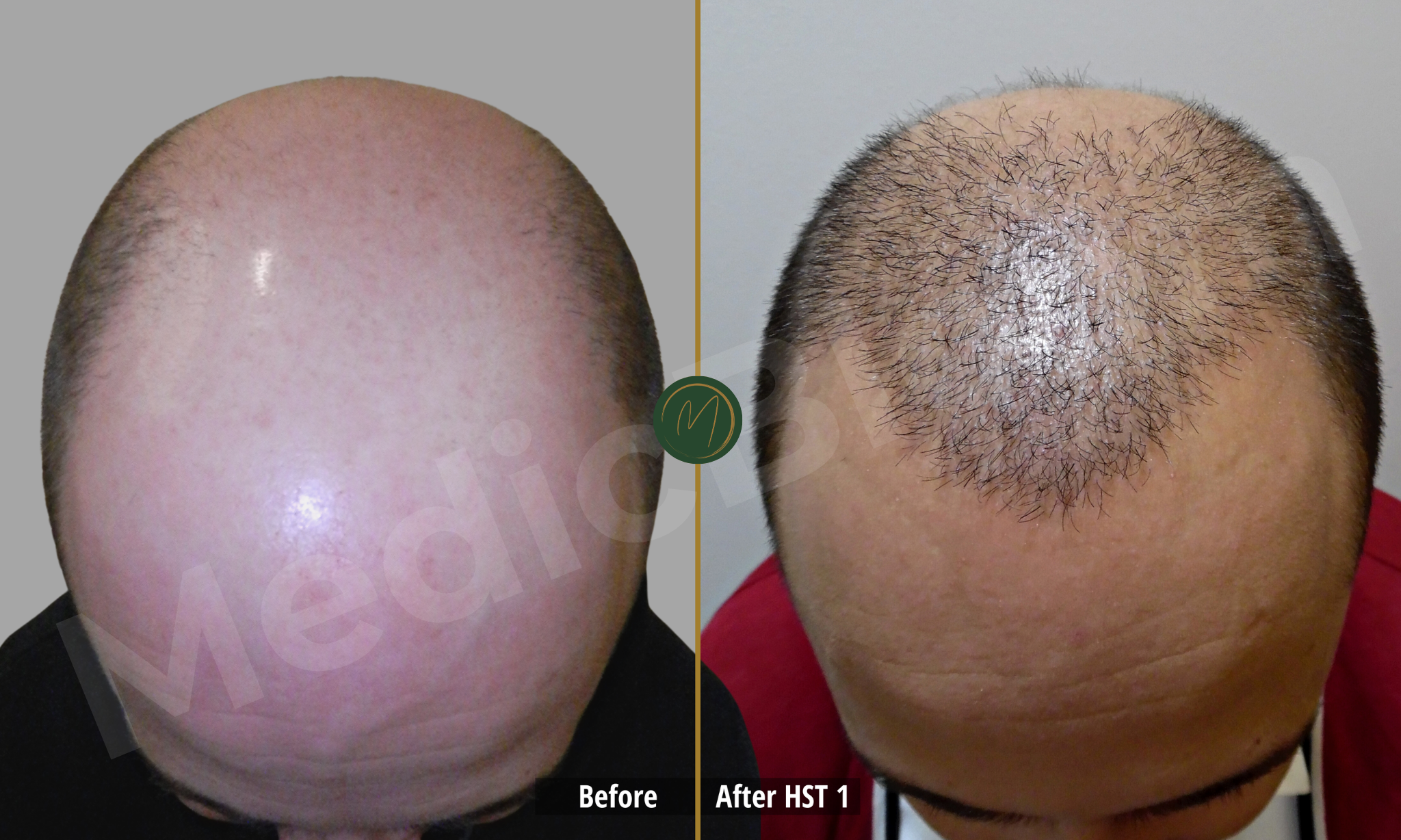
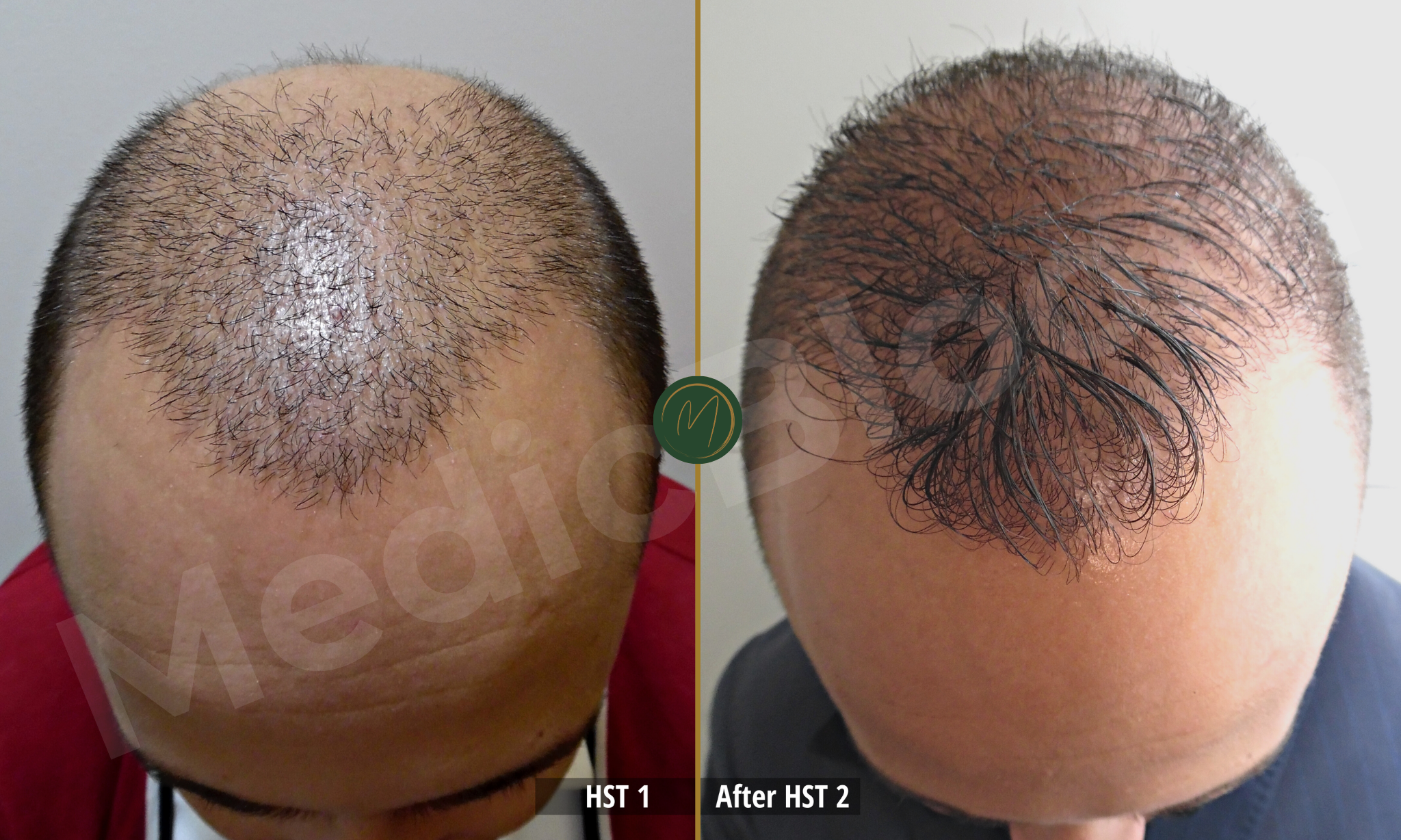
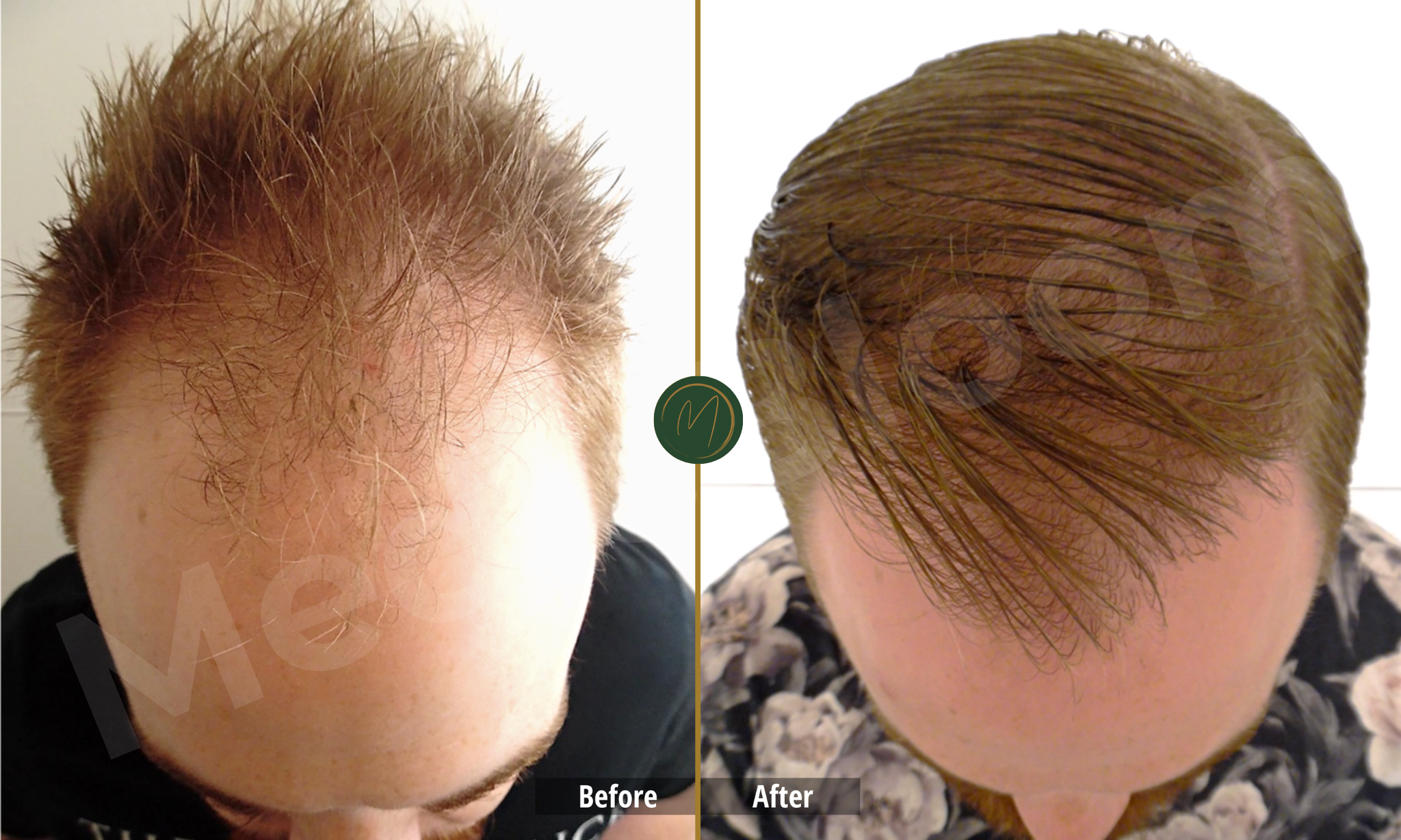
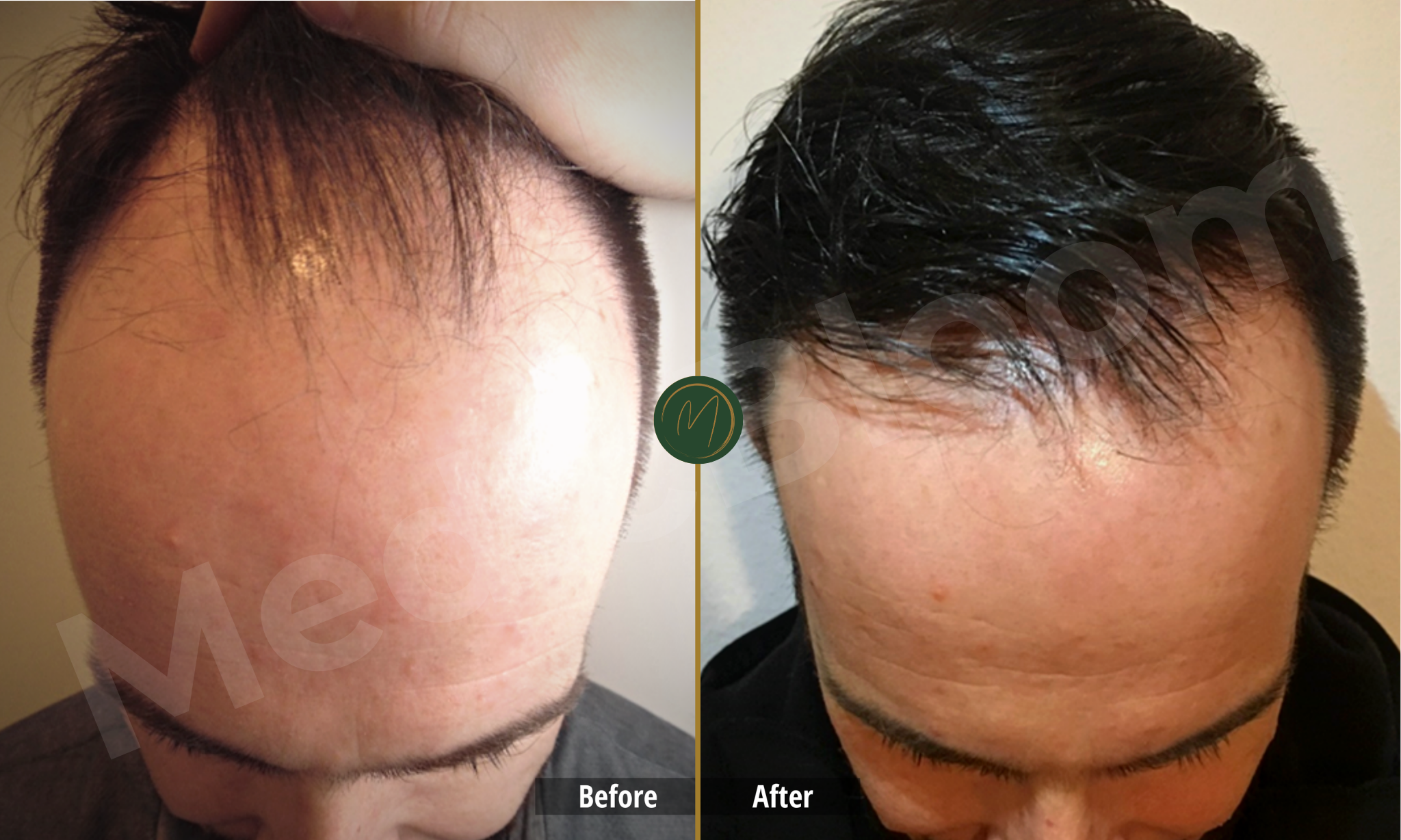
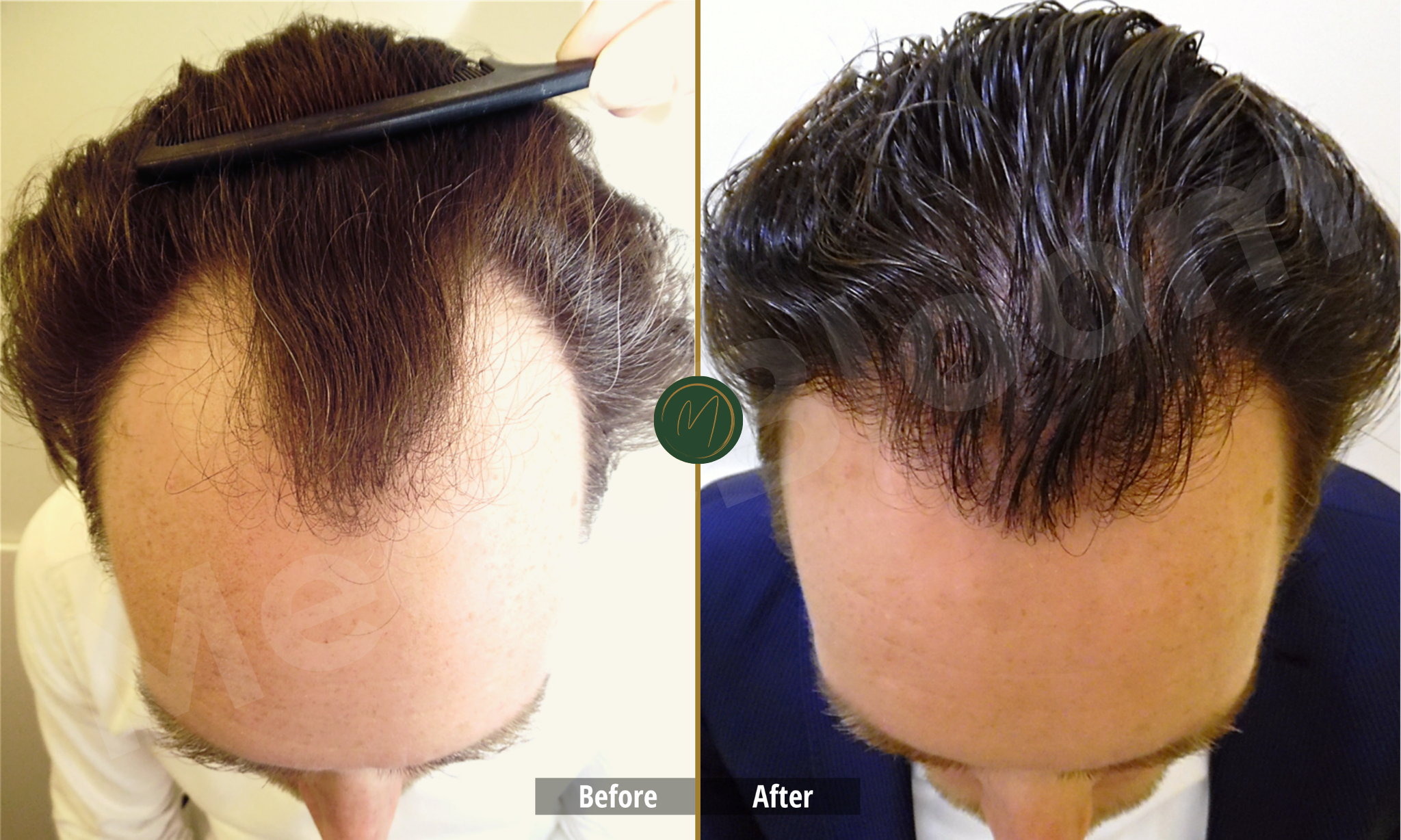
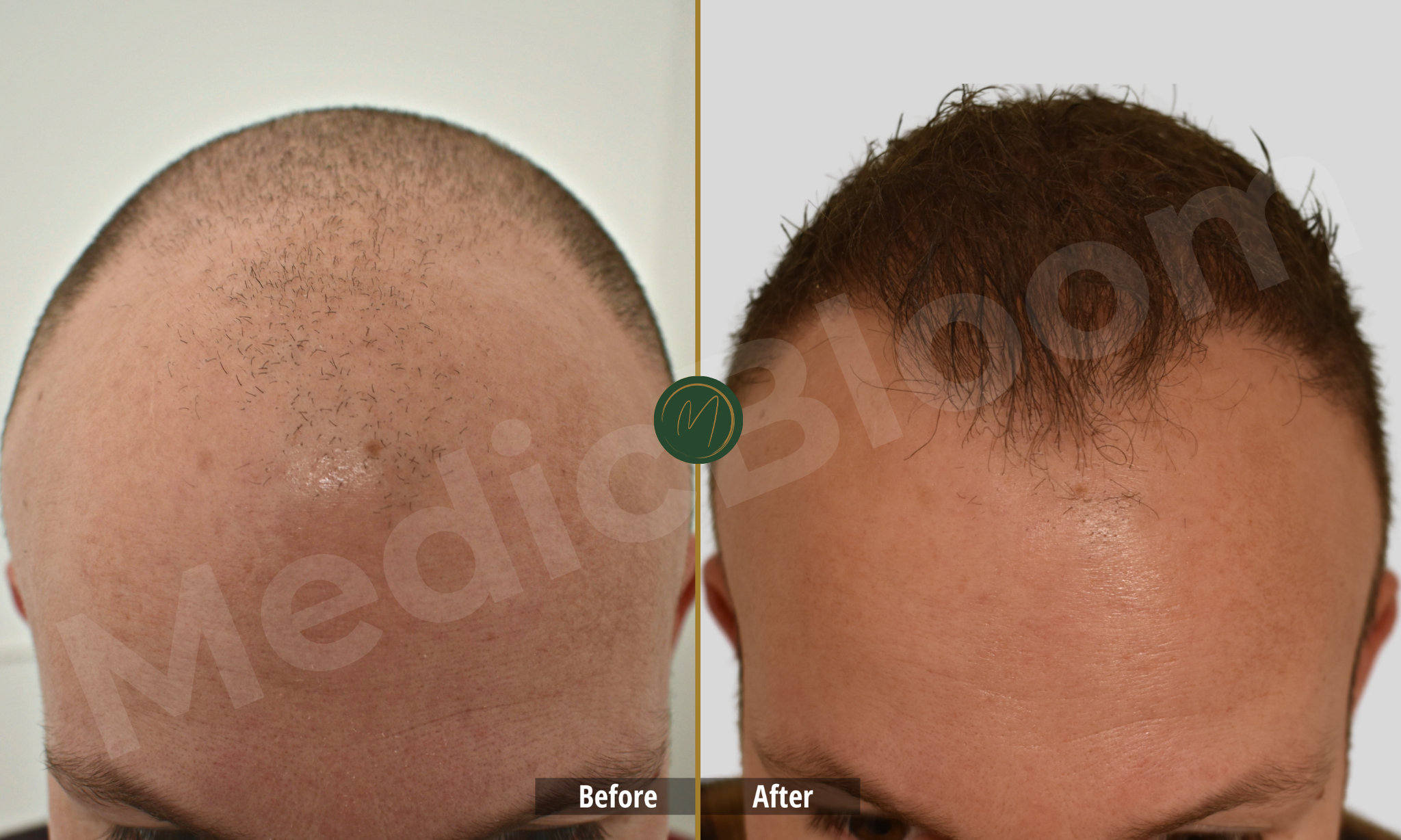
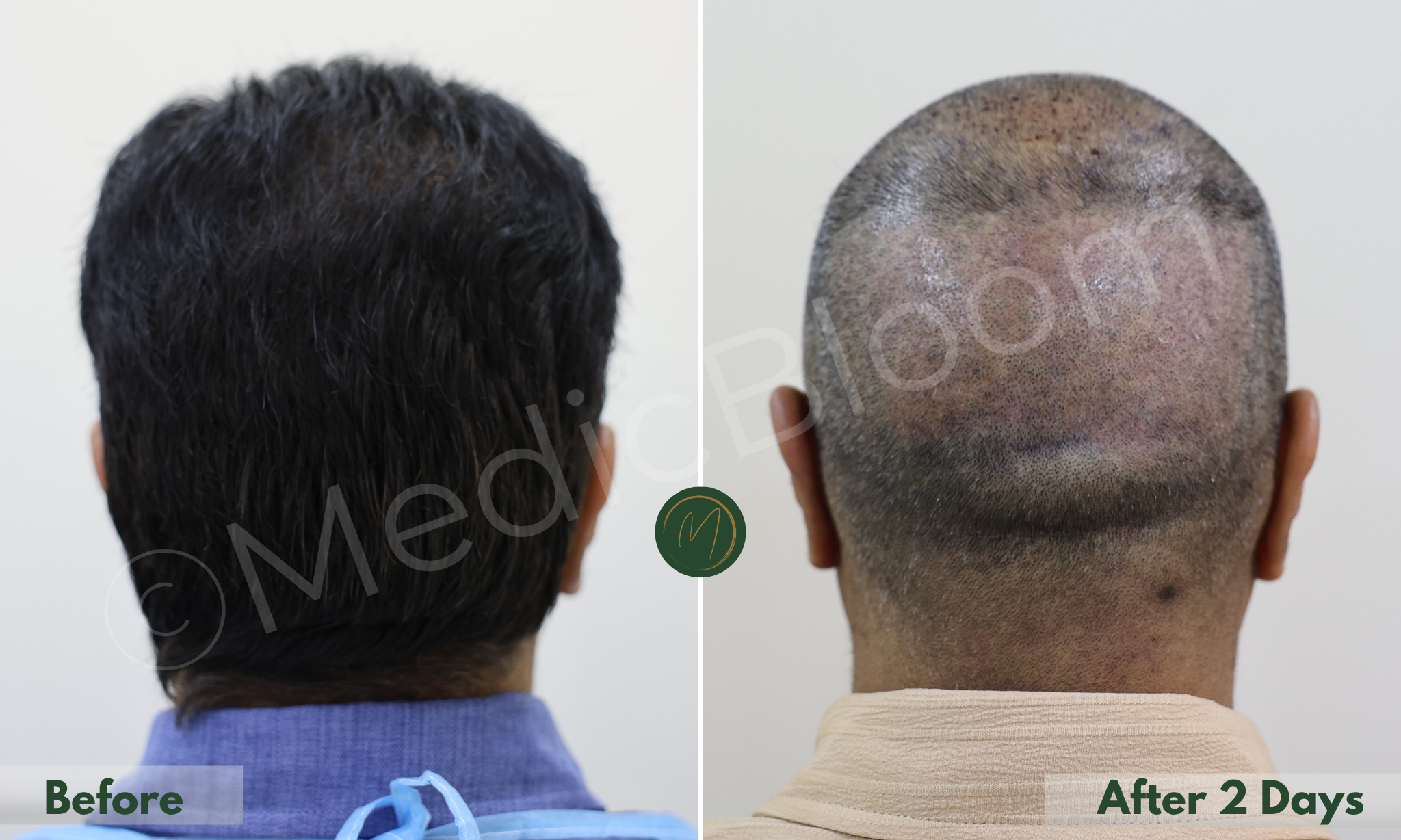
Complete the assessment and send your answers directly to the MedicBloom team on WhatsApp.
Before-and-after images show individual patient journeys supplied for this page. Individual results vary and no result is guaranteed.
Your pattern, history and donor area can influence what options may be appropriate. Start by identifying the concern that looks most like yours.
Hairline moving backward or an increasingly visible M-shaped pattern.
More visible scalp around the crown or vertex area.
Gradual reduction in density across a wider area of the scalp.
Noticeably increased shedding during washing, styling or throughout the day.
Specific areas where hair appears reduced or absent.
Dandruff, irritation, excessive oiliness or other scalp-related concerns.
Share what you're noticing and let the MedicBloom team review your concern before you choose a treatment.
Hair loss can be associated with different factors. That is why choosing PRP, exosomes or a transplant before understanding the concern is not the ideal first step.
A common cause of progressive hairline recession and crown thinning.
Certain health conditions, medications or hormonal changes may contribute.
Shedding can sometimes be influenced by stress, nutritional factors and lifestyle.
Some scalp conditions can affect the environment in which hair grows.

Possibly — but not everyone experiencing hair loss is automatically a transplant candidate. A proper assessment should consider your hair-loss pattern, donor supply, scalp condition, history and restoration goals.
A hair transplant does not only depend on how much hair you have lost. The quality and availability of donor hair at the back and sides of the scalp are important parts of planning.
Assessment helps determine whether transplantation may be appropriate and supports realistic treatment planning.
You do not need to choose the technique yourself. The appropriate approach depends on donor availability, hair-loss pattern, recipient area, goals and clinical assessment.
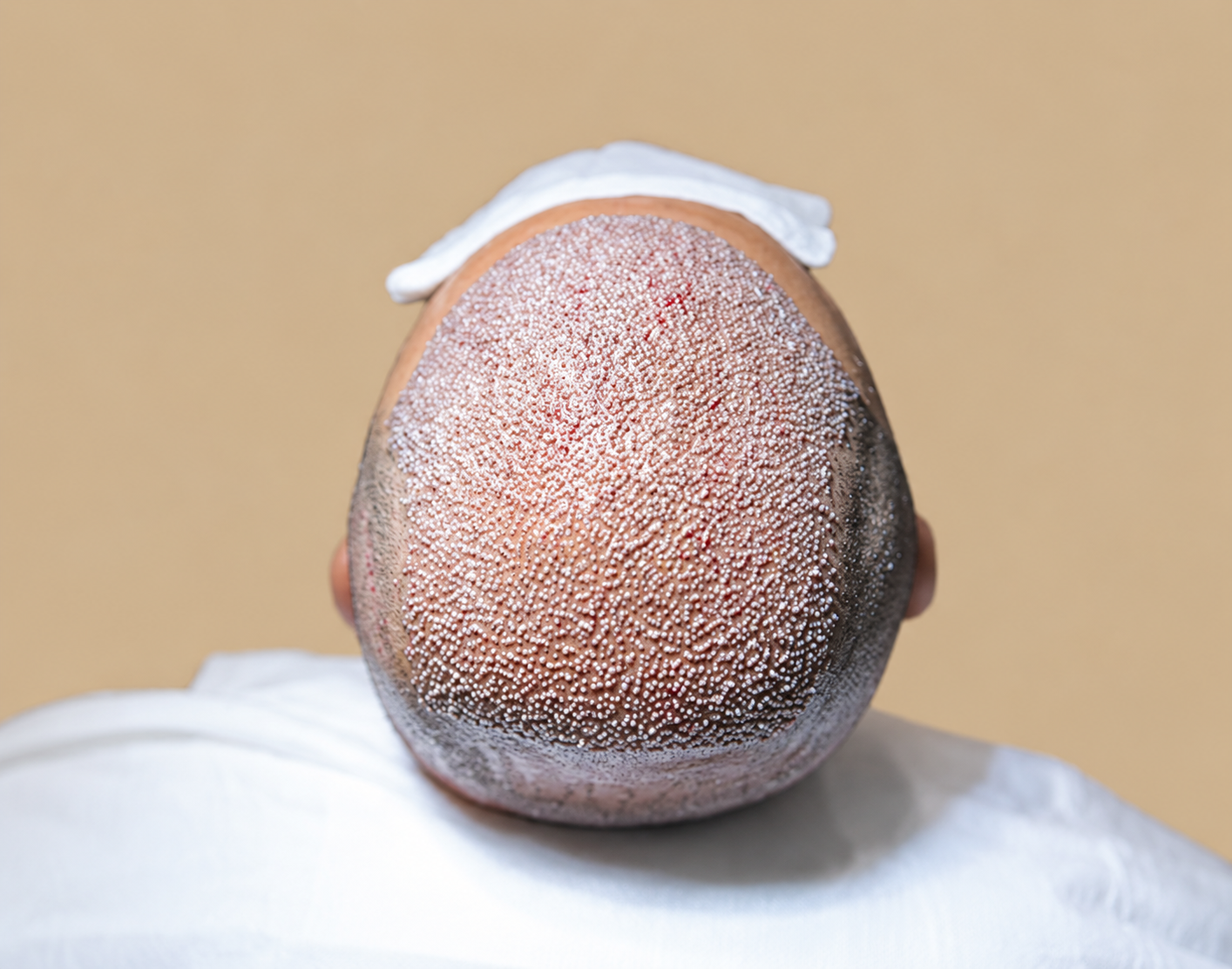 FUE
Follicular units are individually extracted from the donor area and transplanted into the planned recipient area.
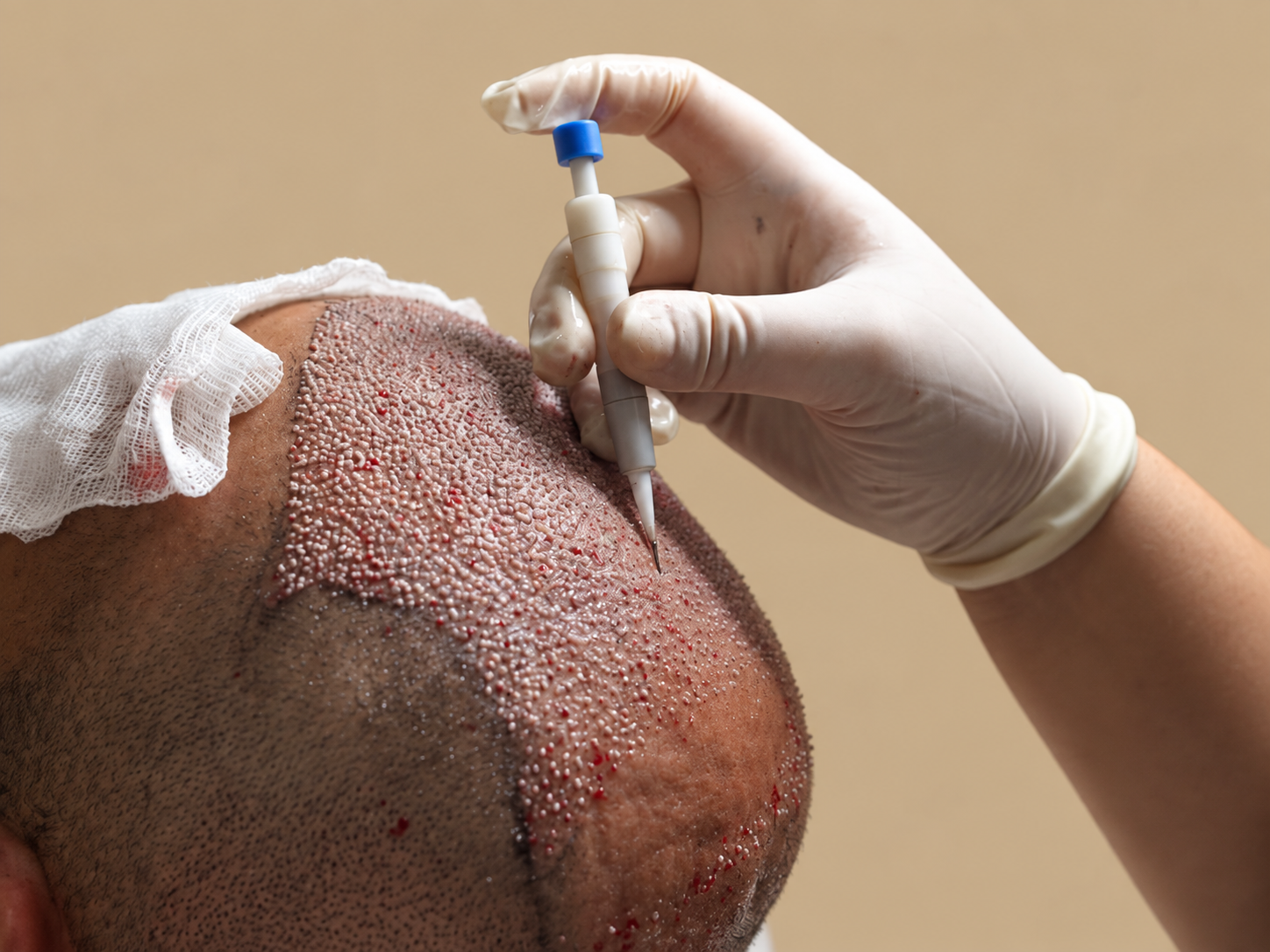 DHI
An implantation approach in which extracted grafts are placed using an implanter device as part of the planned restoration.
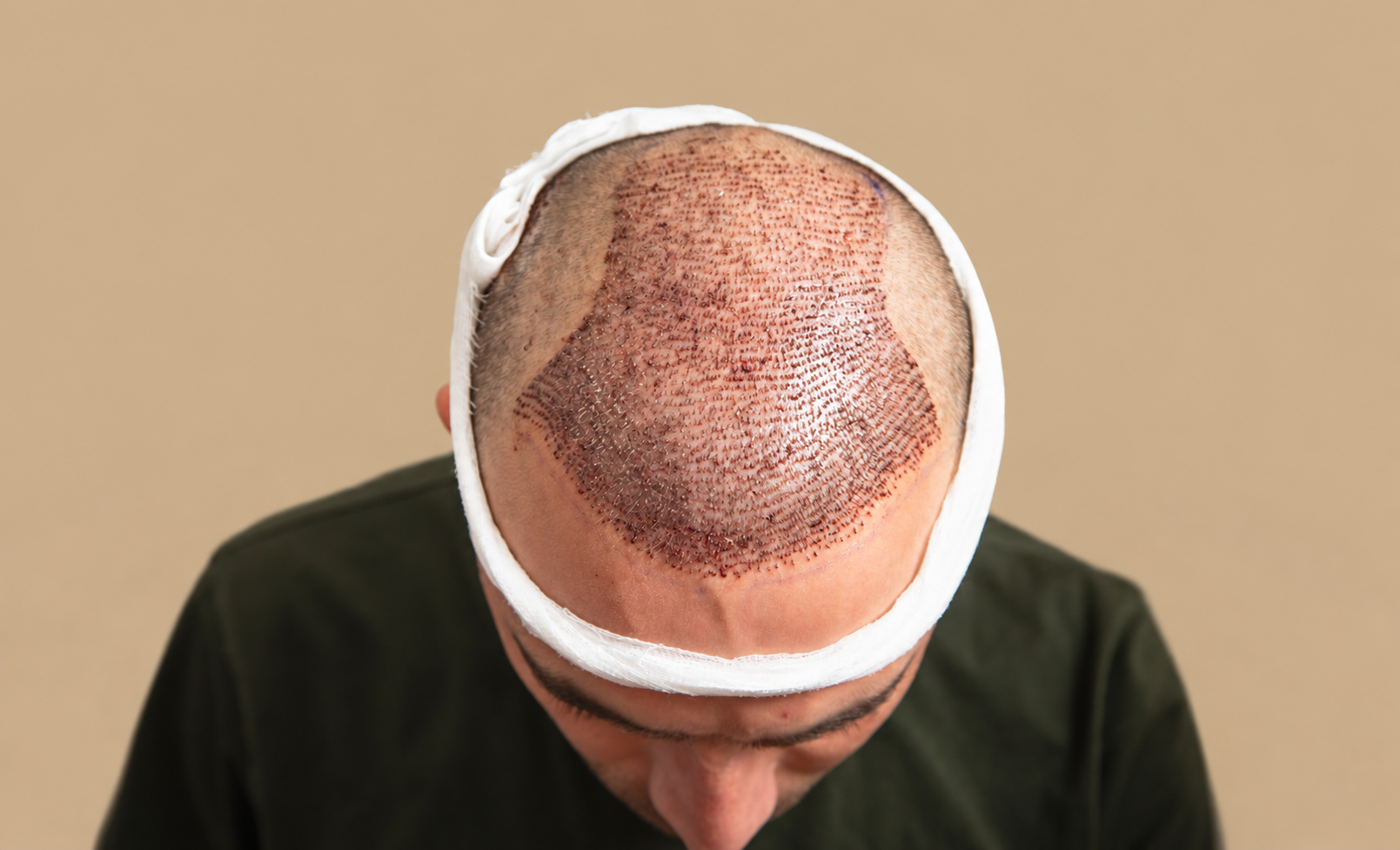 HST
A specialized hair-restoration option available for selected candidates following detailed donor and scalp assessment.
Start with your hair concern and donor area, then discuss which restoration approach may be appropriate.
Complete the short online assessment below.
Your pattern, history and scalp factors can be discussed.
For transplant candidates, donor suitability is considered.
Suitable treatment directions can then be explained.
Your next step is based on the assessment, not a generic package.

Your answers help start a more focused conversation about your hair-loss pattern, scalp condition, previous treatments and goals.
Clear information before a consultation helps you make a more informed decision.
Suitability depends on your hair-loss pattern, donor area, age, progression, medical history and expectations. An assessment is the right starting point.
Depending on the cause and stage of hair loss, non-surgical options may be discussed. A consultation helps determine what is appropriate for you.
They are different hair-restoration approaches. FUE describes follicular-unit extraction, DHI refers to implantation with an implanter device, while HST is a specialized restoration option offered for selected candidates. The appropriate approach depends on donor area, hair-loss pattern, goals and clinical assessment.
Graft requirements vary. They depend on the area to restore, desired density, hair characteristics and the safe donor supply available.
Cost varies according to the technique, extent of hair loss, donor factors and treatment plan. An assessment is needed before giving an accurate quotation.
Start with the right assessment.