
Hair Stem Cell Transplant for Men in Dubai
Hair restoration is not simply about transplanting the maximum number of grafts. At MedicBloom Clinic, Hair Stem Cell Transplantation (HST) focuses on natural-looking coverage, careful donor-area management and personalized long-term restoration planning.
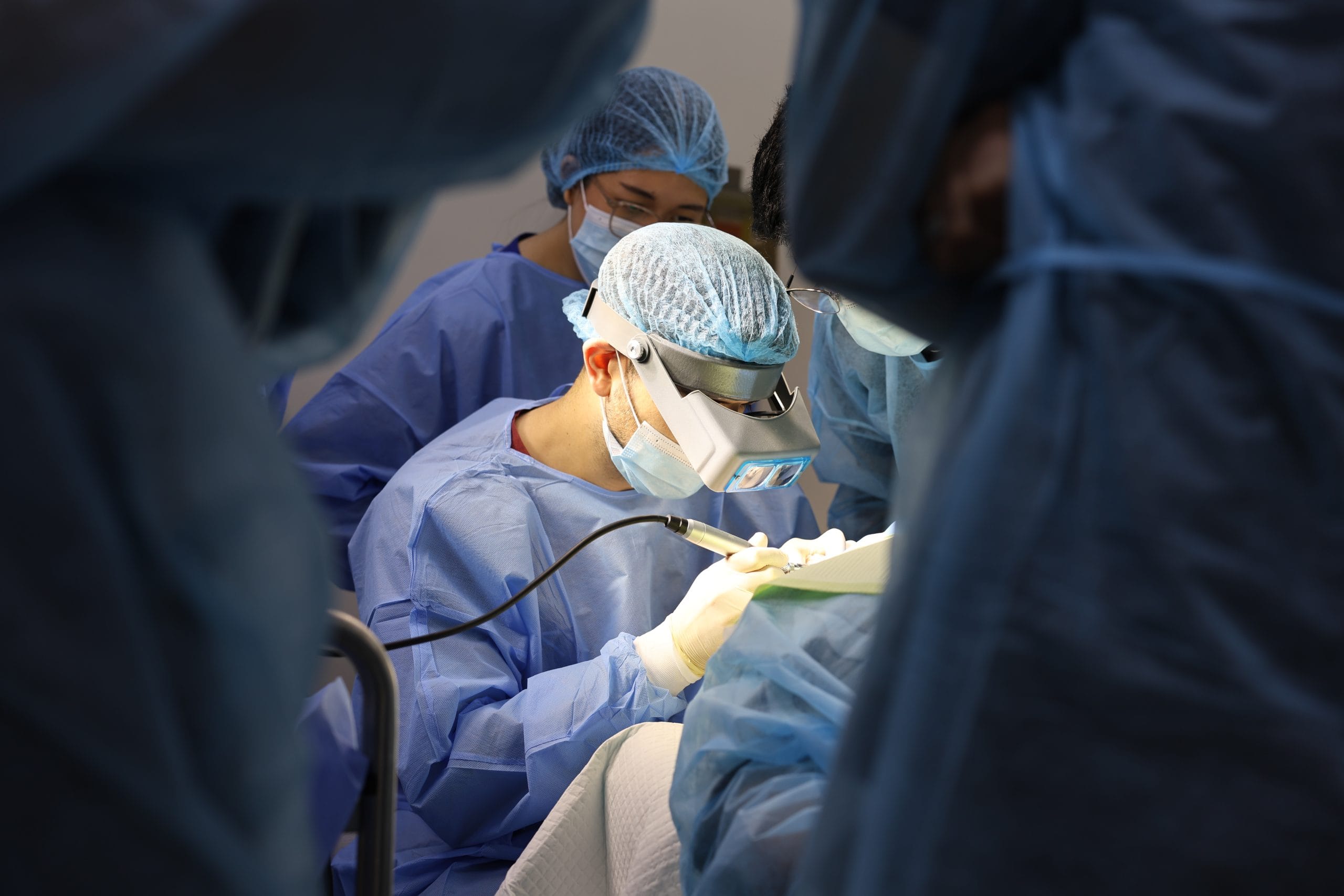
Which Areas Can Hair Loss Affect?
Male hair loss can develop differently from one patient to another. Understanding the pattern and donor capacity is essential before choosing a hair transplant technique.
Receding Hairline
Gradual recession around the frontal hairline and temples.Crown Thinning
Progressive reduction in density around the crown or vertex.Frontal & Mid-Scalp Loss
Reduced coverage extending from the hairline toward the middle scalp.Advanced Hair Loss
Hair loss involving several areas requiring long-term restoration planning.What Is Hair Stem Cell Transplantation?
Hair Stem Cell Transplantation (HST) uses a partial follicular-unit harvesting approach designed to carefully manage donor resources while transplanting follicular tissue into areas requiring restoration.
Partial Follicular Harvesting
HST focuses on harvesting part of the follicular unit rather than intentionally removing the complete unit.Donor Management
Treatment planning considers both today’s restoration goals and the importance of protecting future donor options.Natural-Looking Coverage
Hair direction, density and distribution are planned to complement the patient’s existing growth pattern.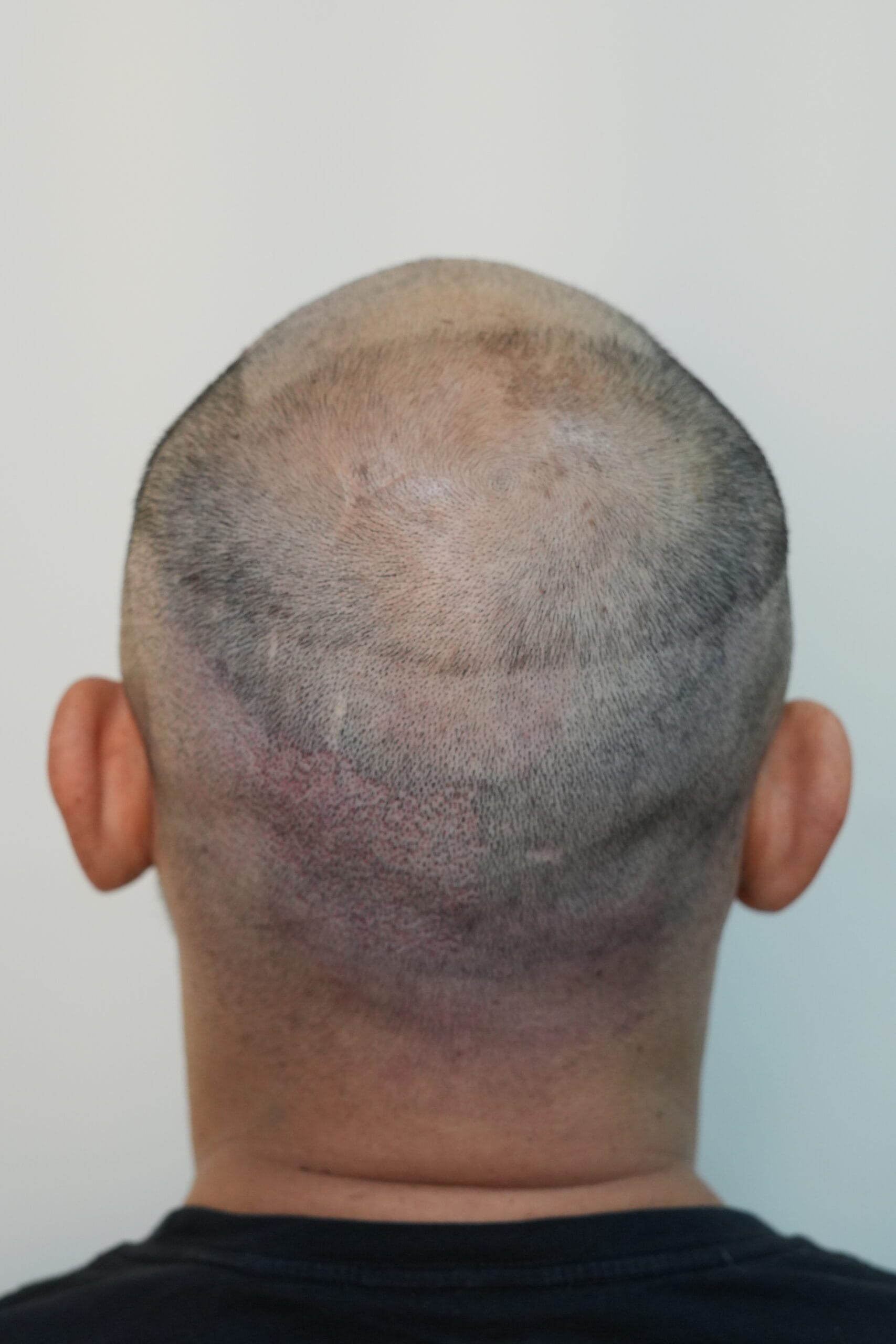
Your Donor Hair Is a Limited Resource
A successful hair transplant is not only about how many grafts can be transplanted today. Male-pattern hair loss can continue progressing over many years. That means donor planning should consider future restoration requirements. The HST approach places particular emphasis on careful harvesting and long-term donor management.- Donor-density assessment
- Long-term hair-loss planning
- Careful extraction strategy
- Future restoration consideration
- Natural distribution
- Personalized graft planning
From Hairline to Crown
Every area requires a different approach to density, direction and graft distribution.
Before & After Hair Transplant Results
Explore examples of hairline, frontal and crown restoration. Individual outcomes vary according to donor quality, hair-loss pattern, treatment plan and healing response.
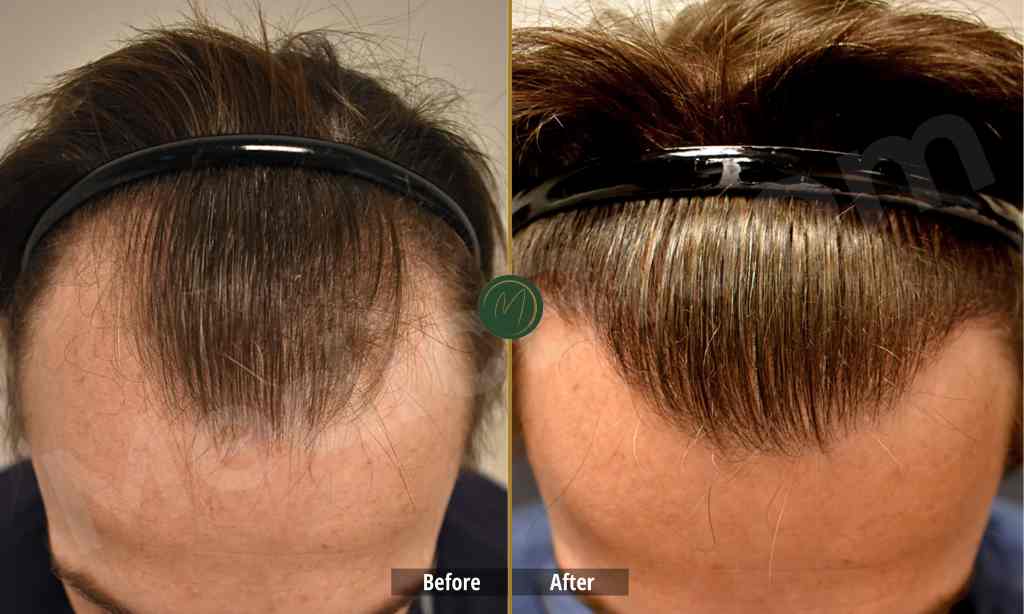 Before
Frontal Hair Restoration
Natural-looking frontal coverage and density planning.Hairline Restoration
Personalized hairline design based on facial proportions.Crown Restoration
Strategic follicle placement following the natural crown direction.Before-and-after photographs should only be used with patient consent. Individual results vary.
The First Question Isn’t “How Many Grafts?”
It should be: “What is the right long-term restoration plan for my hair?”
Hair-Loss Diagnosis
Understand your pattern and expected progression.Donor Assessment
Evaluate donor density and available resources.Coverage Planning
Determine how available grafts should be distributed.Long-Term Strategy
Plan today’s procedure while considering future hair loss.Hair Transplant Growth Timeline
Procedure & Recovery
Initial healing begins after the transplantation procedure.Early Growth
New growth may gradually begin becoming visible.Density Development
Hair gradually becomes more noticeable as growth progresses.Maturing Results
Many patients see substantial maturation around this stage, although timelines vary.Advanced Hair Restoration with Personalized Planning
Comprehensive Hair Assessment
Treatment begins with understanding your hair-loss pattern and donor resources.HST Hair Restoration
Partial follicular-unit harvesting focused on careful donor management.Natural Density Planning
Grafts are strategically distributed according to your restoration requirements.Full-Head Strategy
Planning can consider the hairline, frontal scalp, mid-scalp and crown together.Donor Preservation Focus
Available donor resources are considered as part of long-term planning.Dedicated Follow-Up
Post-procedure monitoring and follow-up support form part of the treatment journey.Hair Stem Cell Transplant Questions
What is HST hair transplantation?
HST uses a partial follicular-unit harvesting approach with a focus on careful donor management and natural-looking hair restoration.Is HST suitable for every man with hair loss?
No. Suitability depends on the diagnosis, donor area, hair-loss pattern and individual restoration goals.Can HST be used for crown hair loss?
Selected patients may be suitable for crown restoration depending on donor availability and overall treatment planning.How many grafts will I need?
The required number varies according to the size of the treatment area, existing density, donor capacity and desired coverage.Can the entire head be restored in one procedure?
This depends on the extent of hair loss, donor availability and the density required. A personalized assessment is needed.When will I see results?
Hair growth develops gradually over several months. Individual timelines and final outcomes vary.Start Your Hair Restoration Journey
Your hair-loss pattern, donor capacity, existing density and long-term goals all matter. Start with a professional hair and scalp assessment at MedicBloom Clinic in Dubai. Book on WhatsAppTreatment suitability and results vary between individuals. A medical consultation is required.